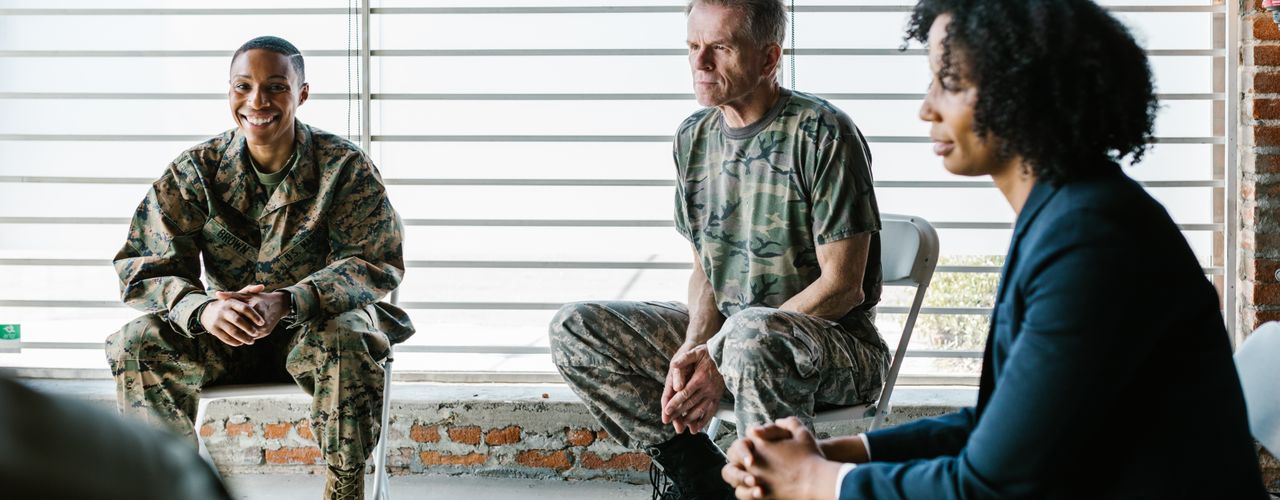
If you have never been inside a veterans post, you might imagine a dark room full of old men swapping war stories. The reality is far more varied and interesting. Veterans posts are among the most active community institutions in America, hosting everything from formal meetings and charity fundraisers to bingo nights, live music, and youth mentoring programs. Here is what actually goes on behind those doors.
Meetings
Monthly business meetings with parliamentary procedure, officer reports, and votes
Social Events
Fish fries, bingo, live music, trivia nights, dances, and holiday parties
Community Service
Blood drives, food banks, youth sports sponsorship, disaster relief
Veterans Support
Benefits counseling, VA claims help, emergency assistance, peer support
The Physical Space
Veterans posts vary enormously in size and style. Some occupy purpose-built halls with large gathering rooms, full kitchens, and dedicated bar areas. Others operate out of converted storefronts, historic buildings, or shared community spaces. A large post in a mid-sized city might have a main hall that seats 200 people, a separate lounge, a commercial kitchen, and meeting rooms for committee work. A small rural post might be a single room with folding chairs and a coffee maker.
What most posts have in common is a display of military memorabilia, flags, and organizational symbolism. You will typically see the national colors, the organization's flag, and often a display case or wall of photos honoring past members and local veterans. Many posts have honor rolls listing members who served in various conflicts, and some maintain small museums of military artifacts donated by members over the years.
Meetings and Governance
Every post holds regular membership meetings, typically monthly, where the post's business is conducted. These meetings follow parliamentary procedure and cover the post's finances, upcoming events, committee reports, membership updates, and votes on organizational matters. The post commander presides, and officers including the adjutant, finance officer, and service officer report on their areas of responsibility.
For new members, these meetings can feel surprisingly formal. The American Legion and VFW both have established rituals and procedures that give meetings a structured, ceremonial quality. Colors are posted, the Pledge of Allegiance is recited, prayers are offered, and absent members are remembered. This formality is intentional: it reflects the military culture that members share and creates a sense of institutional continuity that connects today's post to its founding members.
Beyond the main membership meeting, most posts have committee meetings, officer meetings, and planning sessions throughout the month. Active posts might have meetings or events several nights a week, making the post a genuine center of community life rather than a once-a-month gathering.
Social Events and Community Life
The social calendar of an active veterans post is remarkably full. Common recurring events include weekly or biweekly bingo nights, Friday fish fries, Saturday evening dances or live music, trivia nights, poker tournaments, and holiday celebrations. Many posts have full kitchens and serve meals on a regular basis, creating a restaurant-like atmosphere that draws both members and community guests.
Larger posts often host events that serve as community institutions in their own right. A Friday fish fry at a well-established post can draw hundreds of people, with lines out the door during Lent. Annual events like Memorial Day ceremonies, Veterans Day observances, Fourth of July celebrations, and holiday parties become defining events on the community calendar.
The social aspect of post life is not trivial. For many veterans, especially those who are retired, widowed, or dealing with the isolation that can follow military service, the post provides a crucial social lifeline. Regular attendance at post events creates friendships, provides structure, and combats the loneliness that can be especially acute among older veterans. For younger veterans, the post offers a bridge between military culture and civilian life, a place where the values and habits of service still matter.
Community Service and Outreach
Veterans posts are among the most prolific volunteer organizations in their communities. Common service activities include organizing and hosting blood drives, collecting food and clothing for local shelters, sponsoring youth sports teams and academic awards, maintaining community parks and memorial sites, providing funeral honors for deceased veterans, and raising money for disaster relief and local charities.
Many posts run programs specifically for veterans in need, including emergency financial assistance, transportation to VA medical appointments, help with VA paperwork and claims, and support for homeless veterans. The post's service officer is often the first point of contact for a veteran in crisis, connecting them with VA resources, community services, and the post's own assistance programs.
Post Amenities and Facilities
Many veterans posts offer amenities that serve both members and the general public. Most posts have a bar serving beverages at reasonable prices, reflecting the tradition of the post as a social gathering place. Post bars are subject to all applicable liquor laws and licensing requirements, and responsible alcohol service is taken seriously. Some posts restrict bar access to members and their guests, while others welcome the general public.
Beyond bars, many posts have pool tables, darts, shuffle board, and other recreational equipment. Some posts have meeting spaces available for rent by community organizations, private parties, or veteran groups. Larger posts may have conference rooms suitable for business meetings, training sessions, or seminars. These amenities generate revenue for the post while serving community needs and providing gathering spaces for members and the public.
Visiting a Post for the First Time
If you are eligible for membership and considering joining, the best way to evaluate a post is to visit during a public event. Most posts welcome visitors at their social events, and many have open houses or new member orientation nights. Arrive early, introduce yourself to the bartender or whoever is working the door, mention that you are a veteran interested in learning about the post, and you will almost certainly be welcomed warmly.
Do not judge an organization by a single visit. Posts have good nights and slow nights, and the atmosphere can vary depending on who happens to be there. Try to attend at least two or three events before making a decision. Talk to different members, ask about the post's programs and activities, and get a feel for whether the community is a good fit for your interests and personality.
Remember that every post needs new members, especially younger veterans who bring energy, fresh ideas, and technological skills. If you join, you will be welcomed. And if you get involved, you may find that the post becomes one of the most meaningful communities in your life.
Committee Work and Volunteer Opportunities
Posts organize their service and social activities through committees, and new members are encouraged to join committees that match their interests. Common committees include a Finance Committee that manages the post's budget, a Programs Committee that plans social and community events, a Service Committee that organizes veteran assistance and community service, a Membership Committee that recruits and retains members, and various special committees for specific initiatives like youth programs or scholarship administration. Committee work is where post members develop leadership skills, contribute their expertise, and make real decisions about how the organization operates.
Volunteering for committee work is also the fastest way to build relationships within a post. Members working together on shared projects develop camaraderie and a sense of common purpose. New members who volunteer actively for committees typically feel integrated into the post community within weeks, while those who simply attend events occasionally may never develop close relationships or deep understanding of what the post does.
Special Events and Annual Traditions
Most posts develop annual traditions that become central to their identity and draw significant community participation. These might include an annual Veterans Day or Memorial Day ceremony, a charity golf tournament, a scholar awards banquet, a senior appreciation dinner, or a children's holiday party. These signature events often require months of planning and coordination across multiple committees, and they represent opportunities for both veterans and community members to come together around shared values of service and remembrance.
Frequently Asked Questions
Can non-veterans visit a veterans post?
Most posts welcome non-veterans to public social events like fish fries, bingo nights, holiday parties, and public ceremonies. However, membership meetings and some events may be restricted to members only. The best approach is to call the post or check their website to ask about visiting. When you do visit, introduce yourself and mention that you are a veteran interested in learning about the organization. Even non-veteran family members and friends are typically welcome at social events, though specific policies vary by post.
What should I wear when visiting a veterans post?
For social events like fish fries or bingo nights, casual clothing is completely appropriate. Jeans, t-shirts, and casual everyday wear fit right in. For more formal events like membership meetings or ceremonies, business casual or dressier clothing may be more appropriate. Some veterans choose to wear their military service medals, uniforms, or military-themed clothing to posts, and this is generally welcomed and respected. The bottom line is that posts are welcoming to veterans in any appropriate attire, and you should wear whatever makes you comfortable. Many posts are casual environments where people wear whatever they would wear to any public gathering.
Do veterans posts have bars?
Most posts, though not all, have bars that serve alcoholic beverages. The post bar is often a central gathering place and an important source of revenue for the post. However, non-alcoholic beverages and food are also available, and veterans of all preferences are welcome. If you are a recovering alcoholic or simply prefer not to be around drinking, ask the post about their alcohol-free social events or hours. Many posts host non-alcoholic events like lunch gatherings, coffee mornings, or community service projects that don't center around the bar.
Do veterans posts serve food?
Many posts do serve food, ranging from simple offerings like chips and hot dogs to full meals prepared in the post kitchen. Friday fish fries are a tradition at many posts, and some posts serve dinner on other regular nights as well. When there are large events like fundraisers or celebrations, posts typically provide substantial food. However, not all posts have commercial kitchens or regular food service, so it's worth asking about a specific post's offerings. Some posts that don't serve food regularly will allow members to bring food or order from outside caterers for events.
How do I become a member of a veterans post?
To join a post, you typically need to be a veteran who meets the organization's eligibility requirements (which vary between the Legion, VFW, AMVETS, and DAV). Visit the post, speak with a membership officer, and complete a membership application. You'll need to provide proof of service, such as your DD-214 discharge document. Application fees vary by post and organization but are usually modest (typically $20-50). Once your application is approved and you pay your annual dues, you become a full member with voting rights and access to all member events and benefits. Some posts process applications within days, while others may take a few weeks.